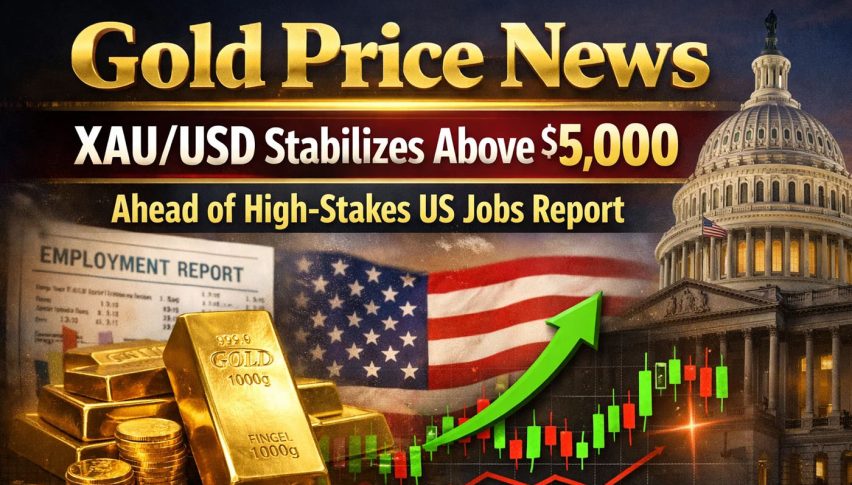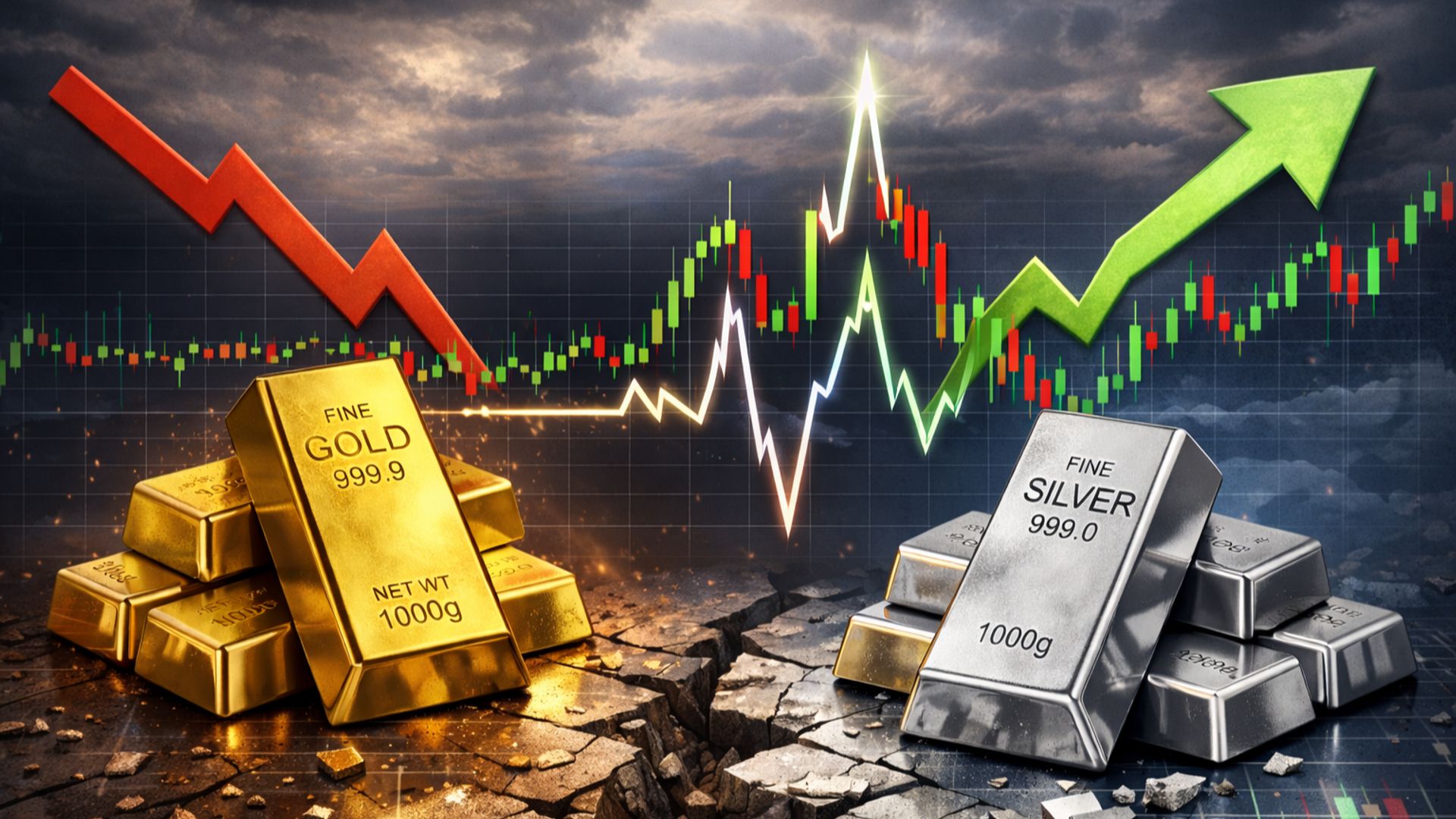
Gold prices are currently trading in a narrow range between $5,020 and $5,038, staying firmly above the key $5,000 level. Even though investors are showing more interest in riskier assets like stocks, gold continues to hold its ground. The metal remains in a broader upward trend, but recent events have slowed its earlier surge toward $5,600.
Federal Reserve Leadership Changes Market Expectations
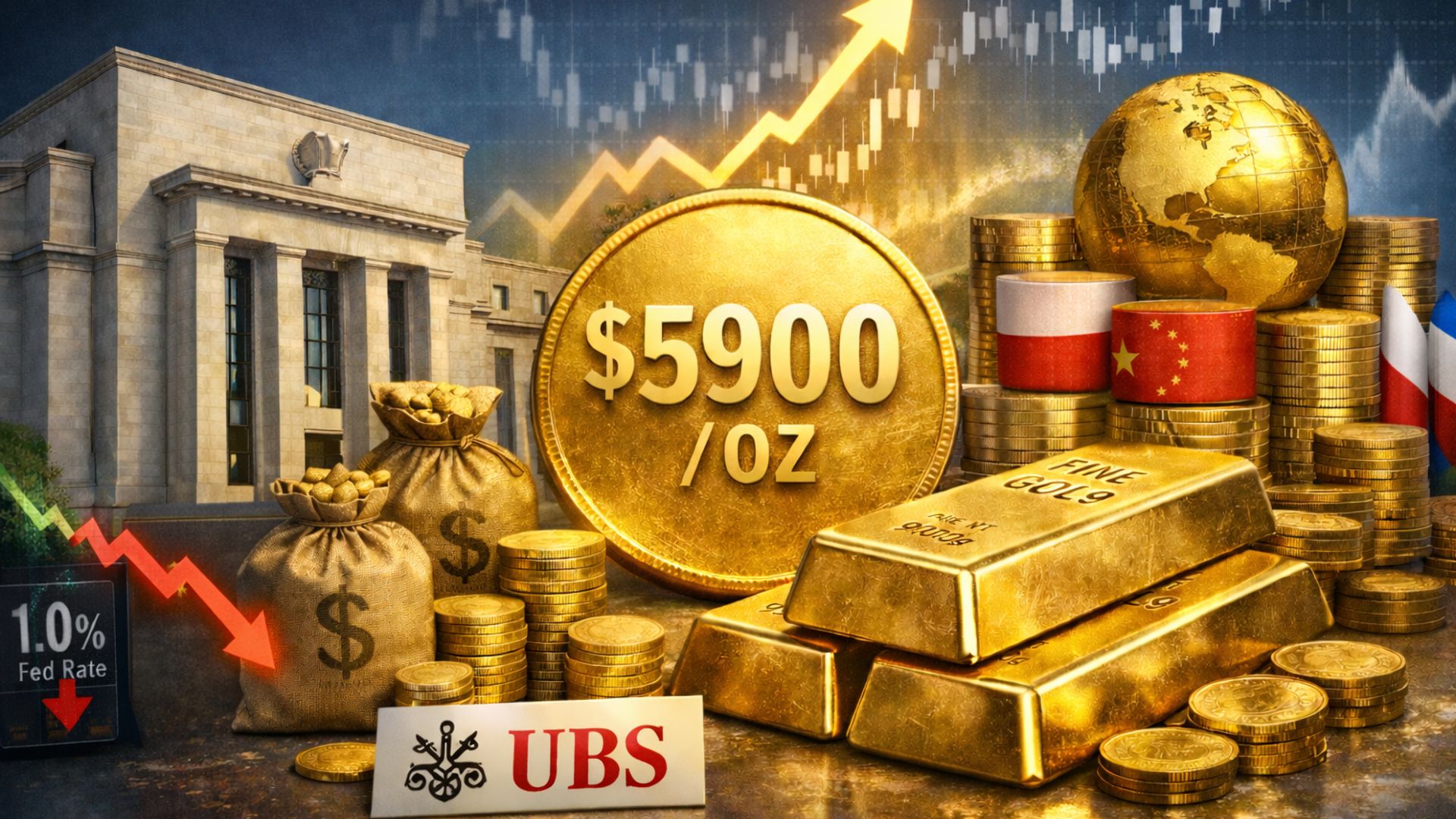
One of the biggest developments affecting gold is the nomination of Kevin Warsh as the next Federal Reserve Chair, set to take office in May 2026. Markets see Warsh as more focused on controlling inflation and supporting a strong U.S. dollar. This shift has reduced expectations of aggressive interest rate cuts, which had previously helped push gold to record highs.
When interest rates are expected to fall, gold usually benefits because it does not pay interest. However, if the Federal Reserve keeps rates higher for longer, gold may face short-term pressure. Even so, any signs of political influence over monetary policy could quickly increase safe-haven demand again.

Central Bank Demand Provides Long-Term Support
China’s central bank has continued buying gold for fifteen consecutive months. Although purchases slowed when prices peaked, this steady demand shows a long-term strategy to reduce reliance on the U.S. dollar. This ongoing buying creates a solid foundation for gold prices, even when short-term sentiment shifts.
With the Lunar New Year approaching, trading activity in Asia may slow temporarily. Lower liquidity can sometimes lead to increased volatility, but it does not change the broader trend.
Geopolitics and Global Economic Factors
Tensions in the Middle East have eased slightly after diplomatic talks, which has encouraged investors to move money into stocks. In Japan, strong political support for increased government spending has also boosted equity markets. While these developments reduce short-term demand for gold, long-term concerns about debt and global stability may continue to support precious metals.

Key U.S. Data Ahead
Investors are closely watching upcoming U.S. economic data. Weak job growth could revive hopes of rate cuts and help gold rise further. Higher inflation readings, especially if linked to tariffs, may force the Federal Reserve to maintain tight policy, which could limit gains. Strong retail sales would likely support the U.S. dollar more than gold.
Technical Outlook for Gold and Silver
Gold is consolidating near $5,035 after rebounding from recent lows. It remains above important support levels, but faces resistance near $5,138. A clear break above this level could open the door toward $5,318. If it fails to move higher, a pullback toward $5,000 is possible.
Silver is trading around $81.90 and is still in a recovery phase after a sharp decline. Resistance near $84 remains important. A breakout could push silver higher, while failure to hold support may lead to renewed weakness.

Disclaimer
This article is for informational purposes only and does not provide financial or investment advice. Market conditions can change quickly, and trading precious metals involves risk. Readers should consult a qualified financial advisor before making any investment decisions.