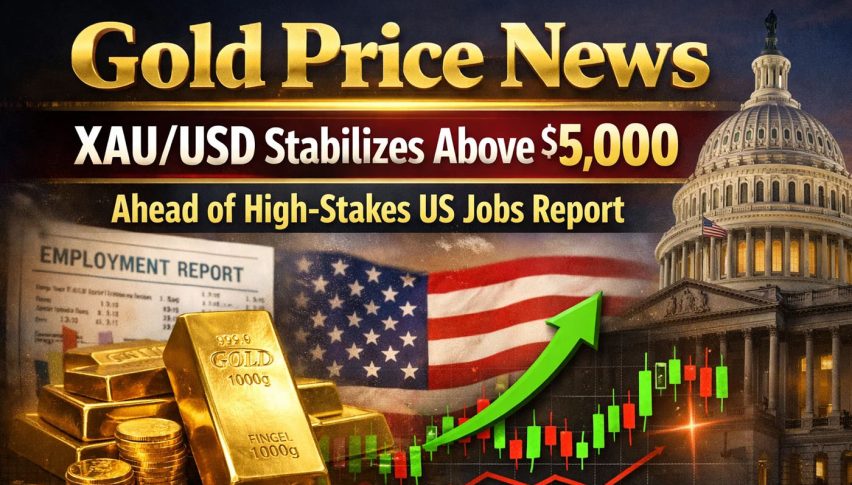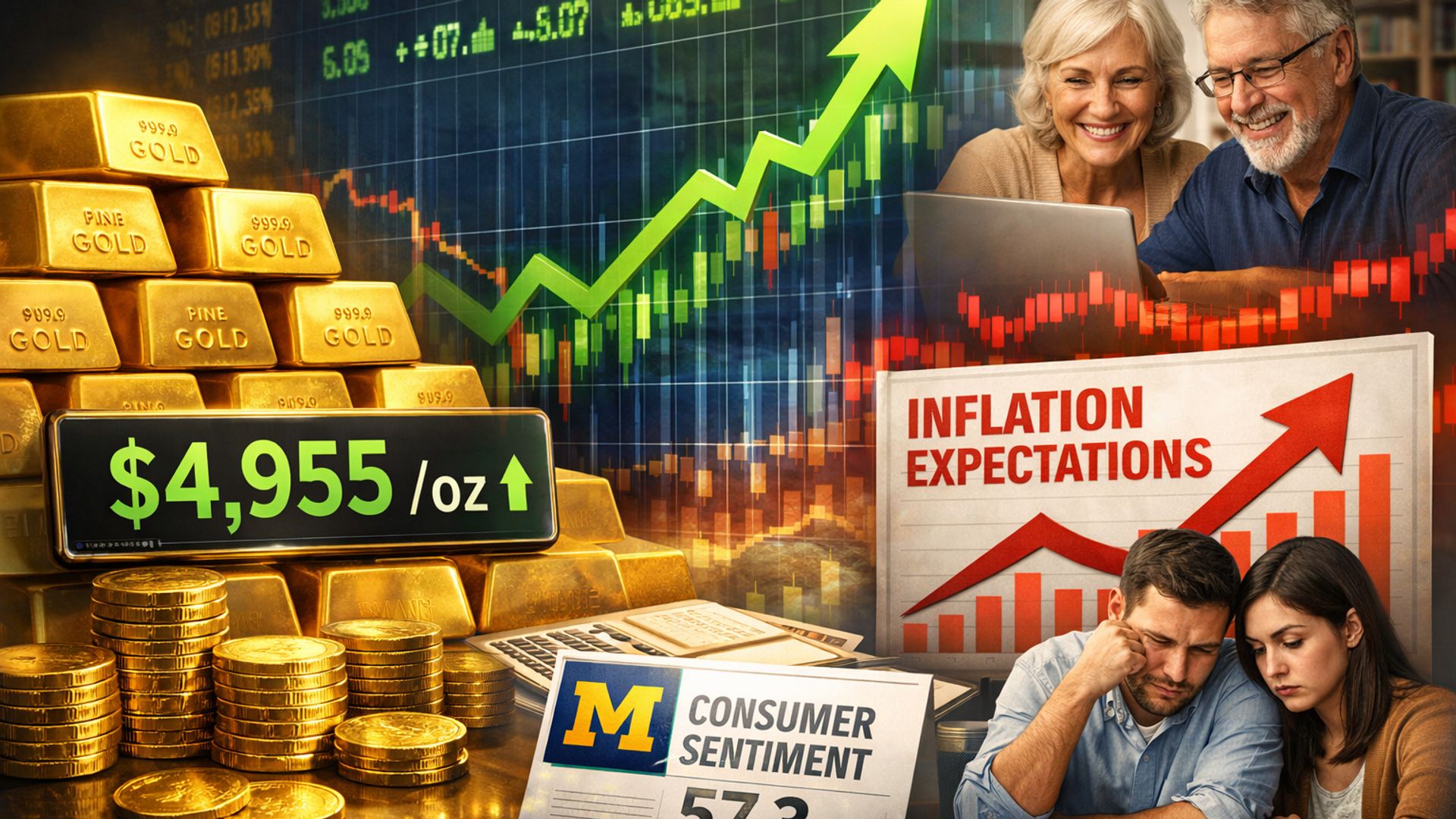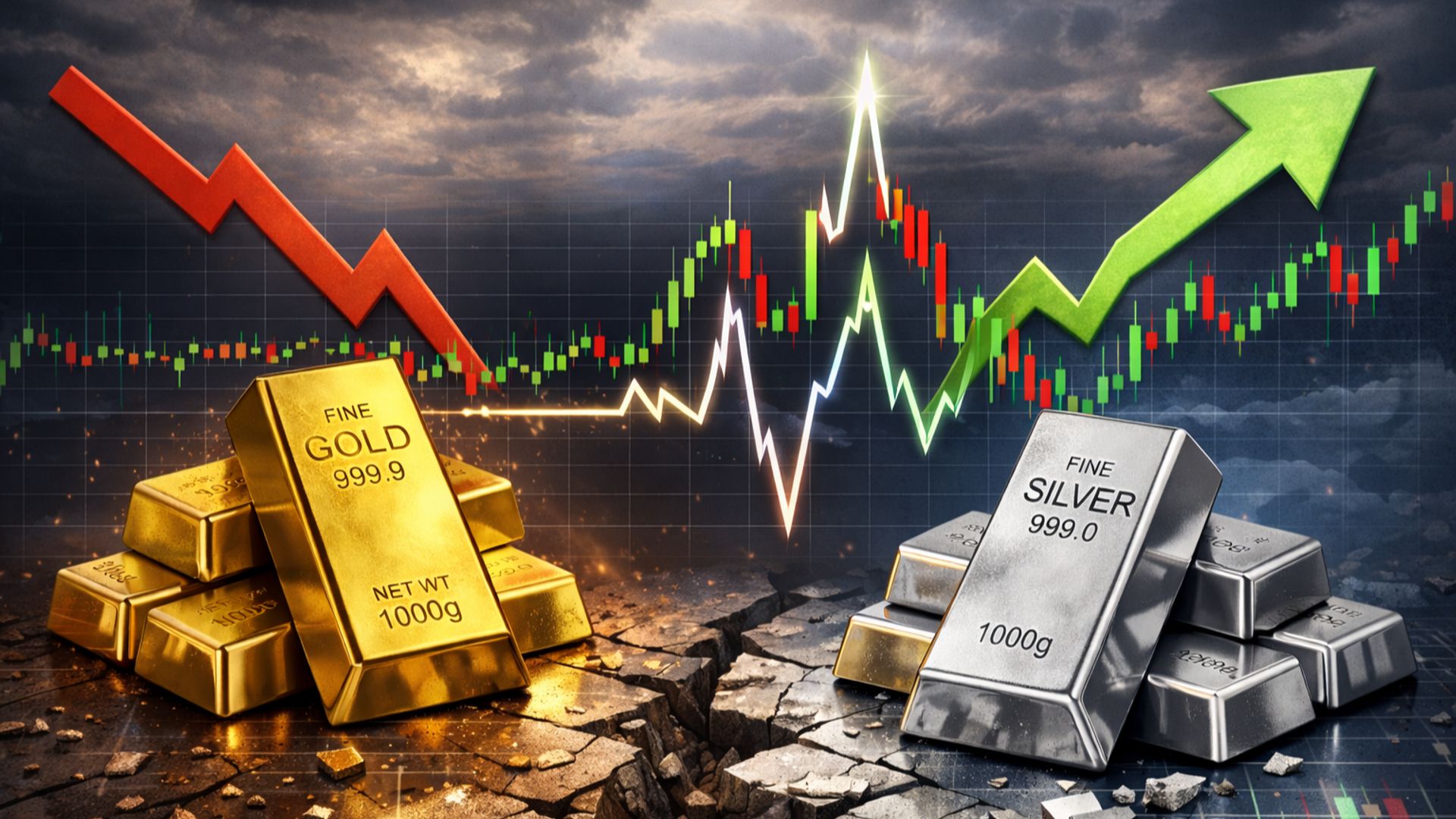
Gold prices have experienced sharp ups and downs in recent weeks, creating uncertainty among investors. Even after a short rebound, gold is still trading about seven percent below its record high. Analysts note that market swings have been unusually intense, with price movements reaching levels not seen in more than a decade. Despite this volatility, experts believe the overall outlook for gold remains positive.
Why Gold Prices Have Been Unstable
The recent turbulence in gold prices was largely triggered by changes in expectations around U.S. monetary policy. In late January, the nomination of a new Federal Reserve chair reduced fears that interest rates would fall too quickly. Earlier, gold had benefited from concerns about a weakening U.S. dollar, which often pushes investors toward safe assets like gold. As those fears eased, gold came under pressure, leading to sudden price drops and rebounds.
Real Interest Rates and Investor Demand
One of the key factors supporting gold going forward is the expected decline in real U.S. interest rates. When real rates fall, holding gold becomes more attractive because the opportunity cost of owning a metal that does not pay interest is reduced. Analysts believe this environment will encourage stronger demand for gold exchange-traded funds, especially among long-term investors looking for stability.

Central Banks Continue to Support Gold
Another major source of strength for gold is ongoing demand from central banks. Many central banks around the world continue to add gold to their reserves as a way to reduce reliance on currencies and protect against economic uncertainty. This steady buying provides an important foundation for gold prices, even during periods of market stress.
Confidence in Gold’s Role as a Safe Asset
Although recent volatility has raised questions about gold’s reliability as a hedge, analysts argue that these concerns are overstated. Gold remains significantly higher than it was at the start of the year, supported by geopolitical tensions and economic uncertainty. History also shows that gold rallies have often continued even during periods of changing Federal Reserve policy.
Gold Price Outlook for the Year Ahead
Looking ahead, analysts expect gold prices to strengthen further and potentially end the year near $5,900 per ounce. This forecast reflects confidence not only in gold but also in the broader commodities market. Supply and demand imbalances, geopolitical risks, and long-term economic trends are expected to keep commodities attractive in 2026.

Diversifying Beyond Gold
For investors who already hold large gold positions and have seen strong gains, experts suggest gradually expanding into other commodities. Metals like copper and aluminum, along with agricultural assets, can help balance portfolios and reduce reliance on a single asset for future returns.
Disclaimer
This article is for informational purposes only and does not constitute financial or investment advice. Commodity prices can be highly volatile, and market conditions may change. Readers should consult a qualified financial advisor before making any investment decisions.